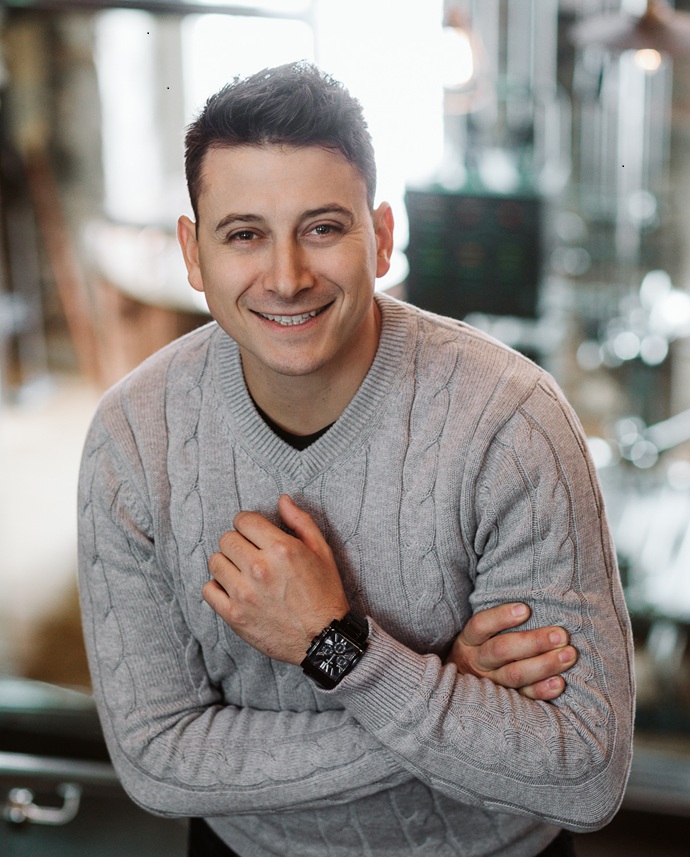
Michael Pelletier
Co-founder and VP of Strategic Development and Growth
RegenEAU

The energy transition is not only about new energy sources — it is also about our ability to intelligently recover the energy we waste every day.
Through its wastewater heat recovery technology, the company transforms energy that is currently wasted into a local, renewable and intelligent source. In collaboration with ENGIE and CIEC, the startup is paving the way for more efficient, smarter and truly circular cities.
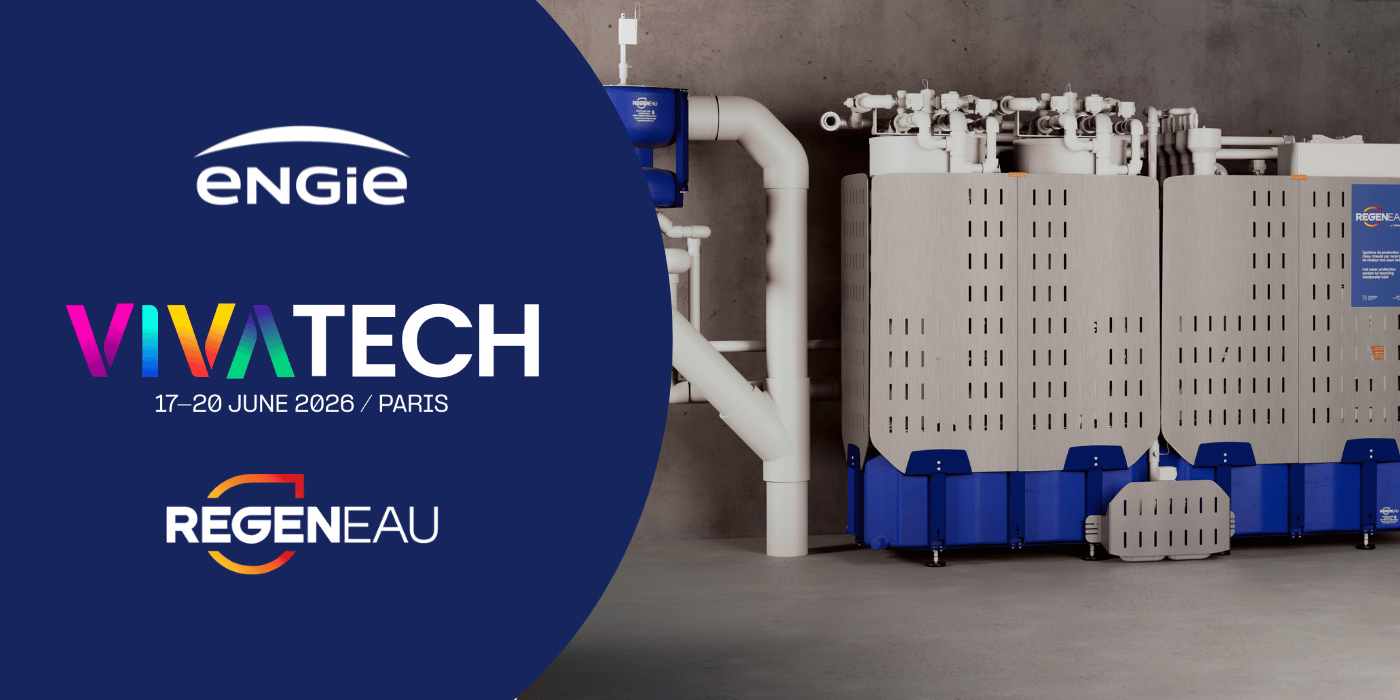
I’m Michael Pelletier, co-founder and VP of Strategic Development and Growth at RegenEAU. Our company develops innovative solutions to recover and reuse heat from wastewater in buildings, helping to reduce energy consumption and the carbon footprint of built infrastructure. Our mission is to accelerate the energy transition by transforming a currently wasted resource — wastewater — into a local, renewable and intelligent energy source.
We help buildings drastically reduce their dependence on fossil fuels by recovering the thermal energy already present in wastewater.
Every day, a huge amount of heat is lost in urban sewer systems. At RegenEAU, we have developed a technology that captures this heat to produce domestic hot water — and soon heating — in a clean, local and much more efficient way.
Our differentiation relies on three key elements:
We have designed a compact and adaptable solution that enables wastewater heat recovery to scale widely. We are also developing a connected and scalable approach incorporating IoT to optimize energy performance in real time and anticipate building needs.
Our collaboration with ENGIE stems from a shared vision: to concretely accelerate the energy transition in cities. ENGIE quickly recognized the potential of our technology and supported us in a strategic project in France through its subsidiary CIEC. This partnership allows us to combine the agility of an innovative startup with the industrial and operational expertise of a global energy leader.
Because ENGIE shares our ambition to develop high-impact decarbonized energy solutions. Their ability to deploy large-scale projects, their technical expertise and their international presence are key drivers to accelerate the adoption of our technology across Europe.
We will present our solid-liquid separation technology, which simplifies access to wastewater heat and reduces maintenance. Our goal is to demonstrate that an invisible and underutilized energy source can become a concrete solution for sustainable buildings.
The energy transition is not only about new energy sources — it is also about our ability to intelligently recover the energy we waste every day.
Artificial intelligence will play a central role in the evolution of our technology. We are currently developing internal tools to analyze thermal data, optimize system performance and anticipate building needs in real time. In the long term, we envision energy infrastructures capable of self-regulating autonomously to maximize energy savings and further reduce carbon emissions.
Our main challenge is to accelerate our deployment across Europe, particularly in France, while building the industrial and technological capacity required to meet growing demand.
We believe that cities of the future must become circular energy ecosystems. Within five to ten years, we expect wastewater heat recovery to become standard in urban infrastructure, enabling buildings to significantly reduce their emissions and energy dependence. Our ambition is to help make cities more resilient, smarter and more sustainable.