


Maxime DUFFOND
Research
ENGIE R&I

Lab Crigen’s participation in Gas Analysis illustrates ENGIE’s commitment to quality, rigour and innovation in the gas and hydrogen sector. A strategic event to strengthen the Group’s expertise and support structuring of the market.
The Gas Analysis conference will be held in January 2026 in Paris, alongside the Hyvolution trade show. This proximity creates interesting synergies between the two events.
Gas Analysis focuses on the scientific and industrial challenges of gas analysis:
It’s a state-of-the-art meeting where researchers and industry leaders come together to bridge the gap between fundamental research and operational challenges. For ENGIE, it’s an opportunity to draw inspiration from scientific advances and anticipate solutions that will meet the practical challenges of future hydrogen projects.
Our participation in Gas Analysis allows us to:
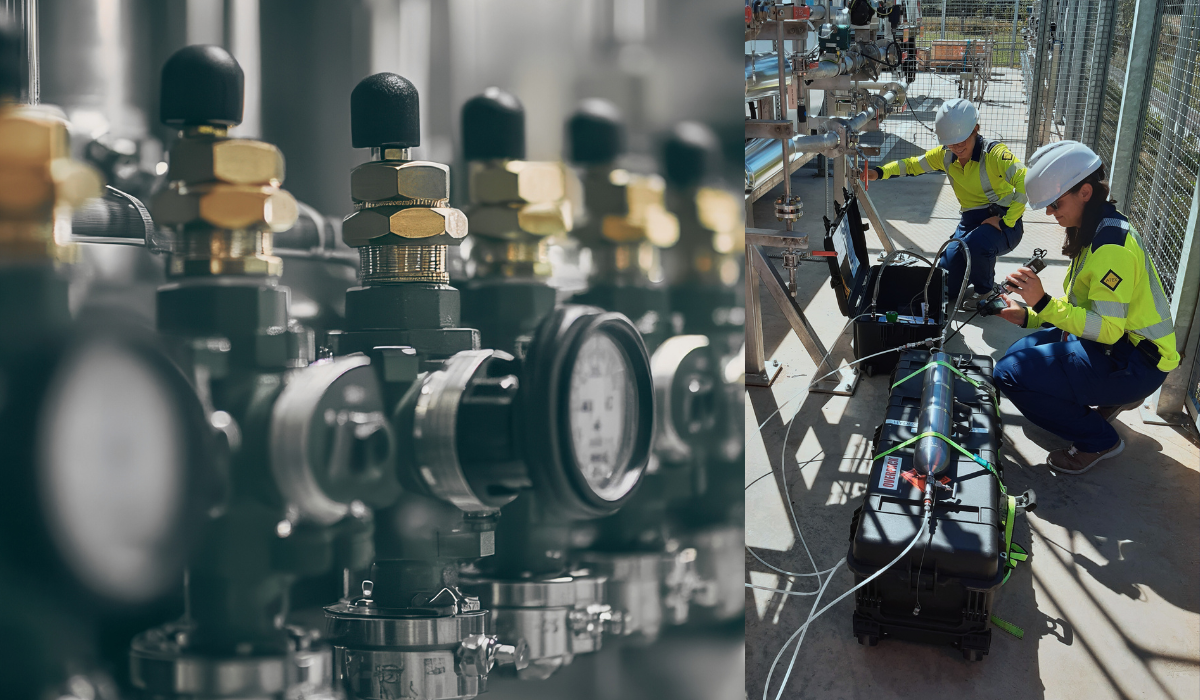
We are also developing a range of gas quality analysis services (sampling, analysis, training and expertise). Demonstrating our expertise and commitment to quality, is crucial, in a context where the normative framework is still under construction.
Metrology is the basis of plant operations. In hydrogen projects, it is based on two aspects:
It also covers measurement methods and their control. In a context where standards are not yet stabilised, metrology has a direct impact on the performance, reliability and profitability of installations. ENGIE is raising awareness and actively contributing to standards committees and European projects to secure these practices.
Yes, at this show, I will be presenting the results of an unprecedented European project:
This study highlights the importance of choosing appropriate equipment and adopting best practices to prevent any sample deterioration.
I will also chair a session on new gases and energy use (CO₂, hydrogen, biogas).
Additionally, Emeline Moreira from Lab Crigen will speak about measuring water, oxygen and nitrogen in hydrogen, a key issue for the industry given the high probability of their presence in sampled gas.
The industry’s structure is still taking shape. ISO and EN standards are gradually evolving, driven by European projects and collective awareness. The ISO mobility standard was reviewed this year, and a new EN version is expected in 2026. There is strong momentum: projects are moving forward, and hydrogen quality is becoming a major concern.